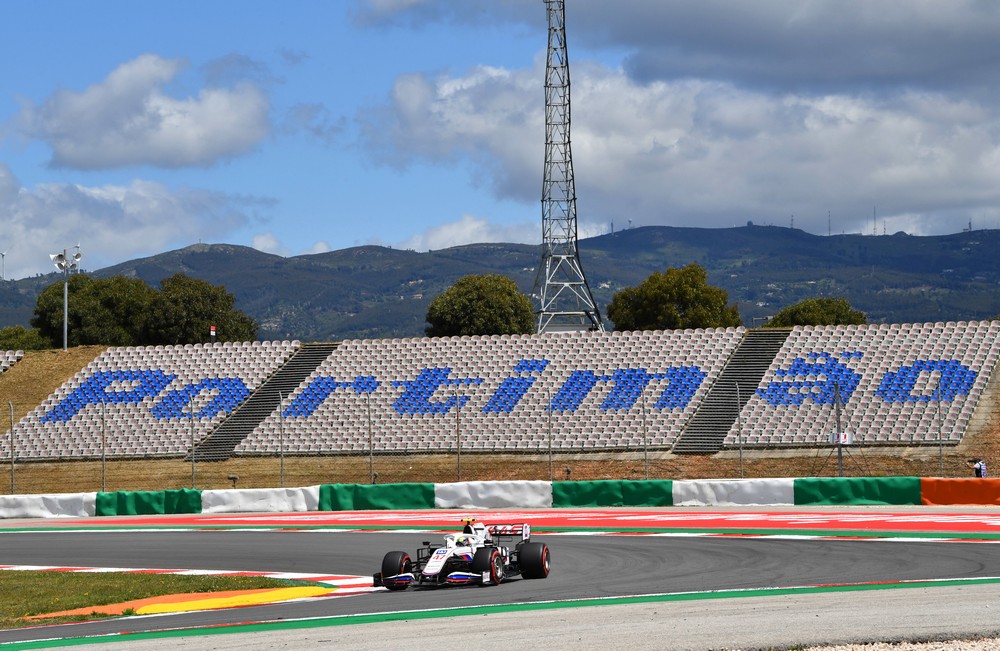
The Portuguese Grand Prix is set to return to the F1 calendar in 2027. This is part of a two-year agreement to host the race at the Algarve International Circuit. After hosting a few rounds in the late ’50s, Portugal was a regular part of the calendar through much of the ’80s and ’90s at the Circuito do Estoril. The country again hosted F1 in 2020 as one of the replacement races that helped populate the calendar amidst the COVID-19 pandemic. F1 action will return to the country in 2027 and 2028.
Max Verstappen will trade his #1 for #3 in 2026. This was Verstappen’s ideal number when he made his F1 debut in 2015, but it was taken by Daniel Ricciardo, forcing him to settle for #33. Since winning his first World Championship title in 2021, the Dutchman has used #1, which is reserved for the reigning World Champion. Previously, drivers have been unable to change their car numbers, but a recent rule change approved by the F1 Commission now allows drivers to change to any unclaimed number.
Two more teams have announced launch events for 2026. Ferrari will unveil its 2026 challenger on January 23 with a shakedown at its private Fiorano test circuit, only a couple of days before the first pre-season test session in Spain. Audi will host what it’s calling an “exclusive launch” event in Berlin on January 20 as part of an “immersive experience”, with a public event held the following day. During this event, the new team’s livery will be revealed.
Honda is set to unveil its F1 power unit at a January 20 event in Tokyo. The Japanese automotive giant is parting ways with Red Bull, where they have been supplying power units under the Red Bull Powertrain branding. They will supply engines to Aston Martin as part of its exclusive power unit partnership with the team.
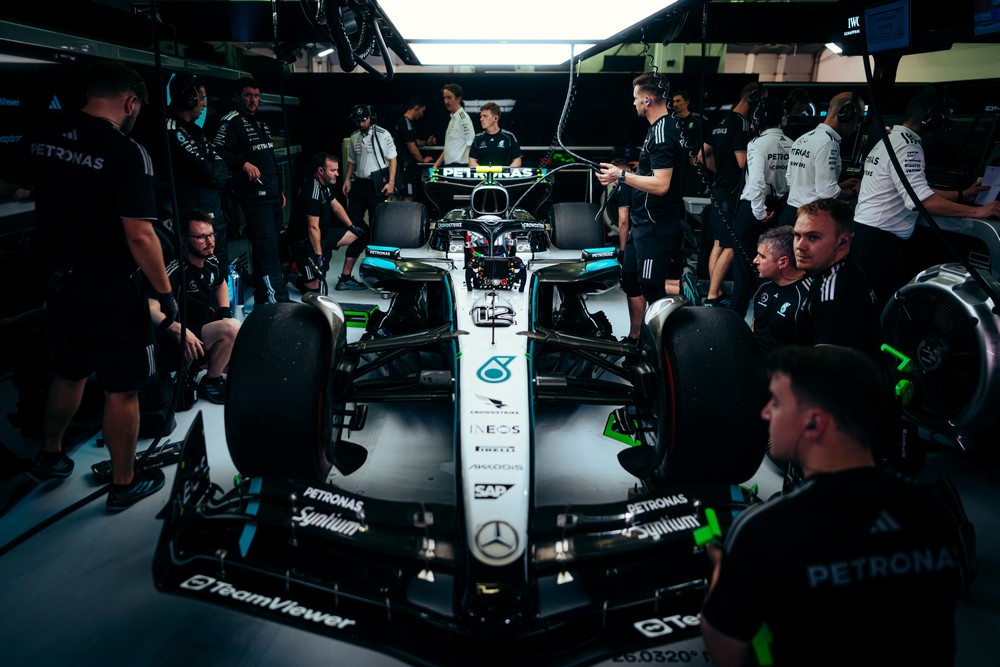
The 2026 development drama is in full swing, with some engine suppliers accused of trying to exploit a loophole in the measurement of engine compression ratio. The compression ratio is the size of the combustion chamber when the piston is at the bottom of its stroke compared to the top of its stroke. A large engine compression ratio generally means the engine will be more efficient and produce more power. As part of the 2026 regulations, the maximum compression ratio has been reduced from 18:1 to 16:1. Some engine manufacturers have petitioned the FIA for greater clarity on how the ratio will be measured. The current regulations specify that the ratio will be measured when the engine is cool, but some suppliers fear that Mercedes and Red Bull Powertrains are attempting to exploit this by using materials that expand when the engine is at operating temperature, allowing for a larger compression ratio. The FIA has stated that the topic is currently being discussed and that it will be reviewed “to ensure fairness and clarity”.
The FIA has fleshed out various terminology for 2026, greatly simplifying the new systems. The 2026 cars will feature active aerodynamics that will allow drivers to configure their cars in two different modes, previously called X-mode and Z-mode. This has been simplified to Straight Mode and Corner Mode, helping to more clearly distinguish between the two modes. Straight Mode will reduce drag while Corner Mode offers more downforce. ERS deployment has been simplified to Boost Mode and Recharge Mode. This is the battery energy that drivers can manually deploy throughout the lap. The previous DRS has been replaced by a new battery system, previously called Manual Override Mode, which was shortened to MOM. This system has been renamed to Overtake Mode.
It can be challenging for even the most avid fans to keep up with the fast-paced world of Formula One. The Weekly F1 Recap is a series published each Monday that breaks down the action, both on and off the circuit, into bit-sized pieces. It's perfect for casual and experienced fans alike.