Williams showcased two of their cars at their annual Grove Factory Festival. The factory festival takes place each year at the Williams headquarters, celebrating all team members who make Williams possible. Carlos Sainz got behind the wheel of the current-spec FW47, while team principal James Vowles drove the historic FW08. The FW08 is the team’s oldest running car, raced in 1982 and 1983. It was the car that Keke Rosberg drove to win his sole World Championship title, also being driven by Derek Daly and Jacques Laffite.
IndyCar driver Pato O’Ward silenced rumours linking him to a seat on the Cadillac F1 Team. O’Ward currently races for McLaren’s IndyCar outfit, sitting second in the championship title. However, an outing at the 2024 Mexican Grand Prix and another planned outing for the same race this year have led some fans to speculate O’Ward is in the running for the two vacant seats at the new American team. O’Ward said in an interview that “the rumors about me going to Cadillac were like the rumors about Fernando Alonso hanging out with Taylor Swift.” This is a reference to baseless rumours that suggested Alonso was dating the music icon. If not O’Ward, it’s unclear which drivers could be on the team next year, although the team has confirmed to be in discussions with Mick Schumacher, Valtteri Bottas, and Sergio Perez.
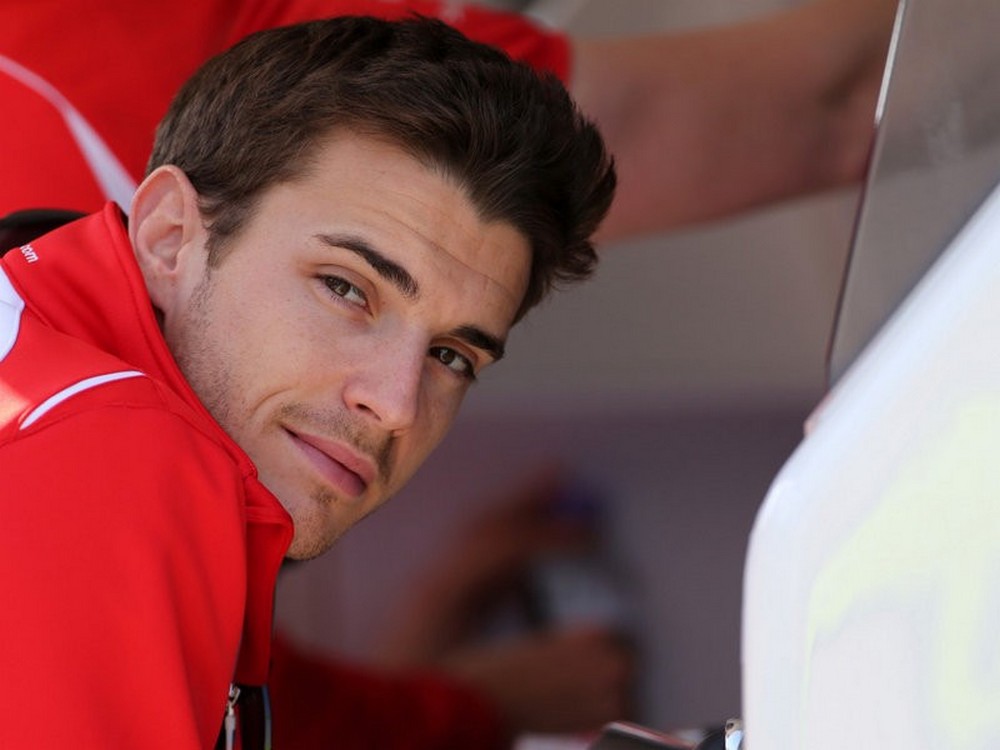
With no F1 racing this week, the motorsport world had a moment to reflect on the life of Jules Bianchi, who was tragically killed ten years ago. Jules, the grandson of endurance racer Mauro Bianchi and great-nephew of F1 driver Lucien Bianchi, advanced from karting to Formula Renault in 2007. He won the French championship that same year, helping him to earn a seat in Formula 3 the following season. After two years in Formula 3, he was promoted to GP2, where he had some successful results. His results were strong enough to make him the first member of the Ferrari Driver Academy, also becoming the team’s test driver in 2011. Rather than return to GP2, Jules opted to race in Formula Renault 3.5 for 2012, also doing some practice outings in Formula One on loan to Force India. Jules’s chance to race in Formula One came with Marussia, which had terminated Luiz Razia’s contract due to sponsorship issues. Although the Marussia lacked pace to challenge, often qualifying near the back of the grid, Bianchi still showed his racing skills by out-racing teammate Max Chilton in every race he finished except on two occasions. Jules stayed with Marussia for the 2014 season, setting the highlight of his career by scoring the team’s first two points in Monaco after finishing ninth in the race. However, the season would end in tragedy when Jules was severely injured after crashing into a recovery vehicle in wet conditions at the Japanese Grand Prix. The accident left Jules with severe head injuries, necessitating emergency surgery that left him in a coma. He was eventually transferred to a French hospital closer to his family. On July 17, 2015, Jules succumbed to his injuries. He was only 25 years old.
The loss of Jules Bianchi introduced some safety measures to help prevent similar incidents in the future. The FIA quickly implemented the Virtual Safety Car as a more effective way to force drivers to slow down in dangerous areas. The following year, regulations were introduced to stop races from starting less than four hours before sunset. Stricter guidelines were added to prevent recovery vehicles from entering a live race track. The biggest change was the development of the Halo, which all cars have been required to use since 2018. This device aims to reduce the risk of head injuries during big crashes. At the 2020 Bahrain Grand Prix, Romain Grosjean suffered a huge fiery accident in which he was certainly saved by this safety device. With the lessons learned from Jules’s accident, the sport hopes to repeat the tragedy from that day in Japan.
F1 action resumes next weekend with a sprint race in Belgium. The sprint will be only July 26, with the race held the following day.
It can be challenging for even the most avid fans to keep up with the fast-paced world of Formula One. The Weekly F1 Recap is a series published each Monday that breaks down the action, both on and off the circuit, into bit-sized pieces. It's perfect for casual and experienced fans alike.