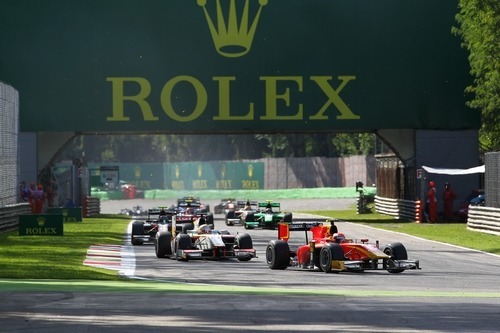
The Formula 2 series will be the place to be if you are an aspiring driver looking to make your way to Formula One, as future changes to the FIA superlicense regulations will make F2 a more valuable experience. The regulation changes were hinted at by Didier Perrin, the Formula 2 technical director, but have not yet been confirmed by the FIA.
It’s understood that the FIA will be reworking the structure of the path to Formula One. The key way to do this is to revise the current requirements for an FIA superlicense, the license required to race in Formula One.

Currently, drivers require at least 40 points towards their superlicense to qualify. This can be done by racing in Formula 2, Formula 3, Formula E, IndyCar or the LMP1 class of the World Endurance Championship. Winning a championship in any of those seasons automatically qualifies a driver, because it’s worth 40 points. Other than that, drivers can earn 1 point in their license per point in the championship. The superlicense points are valid for three years.
The FIA will reportedly be favouring Formula 2, awarding a greater number of points in that series. This is because Formula 2 is the most equivalent to Formula One. It will also help to promote the recently rebranded series and ensure that it remains a main feeder series for Formula One. This is the first season that the series is running under the Formula 2 name, previously running as GP2.
Out of the 20 full time drivers on the 2017 Formula One grid, 7 of them had competed in Formula 2 or GP2 prior to gaining a seat in Formula One. More drivers had Formula 3 experience than Formula 2 experience, although Formula 2 experience is more common among the younger drivers on the grid.
However, at the end of the day, essentially “fast-tracking” drivers in the Formula 2 series to the superlicense does very little. Even if a driver a is qualified for a superlicense, it’s ultimately up to the Formula One teams to pick drivers that are talented, have adequate sponsorship and have the potential for growth.